
Luis Lopez
Generalist Game Designer - I love the creative challenge that is iteration on games. Starting with a seed and seeing it blossom as you gain feedback and incorporate the voices of designers and players alike is a fulfilling journey.
Digital Games
With digital games I typically focus on Level Design, General Game Progression, and Light Coding. I am open to expanding my skillset on any team that I am on in order to help move the project forward however.
Analog Games
With analog games I typically focus on Primary Mechanic Ideation and Iteration, and Rulebook Documentation. I make an effort to go to public spaces and events to get as much play testing in to really know where the game needs improvements.
In Development
A look into some of the projects I'm working on at the moment.

Digital Games
Surfobia: Into The Deep
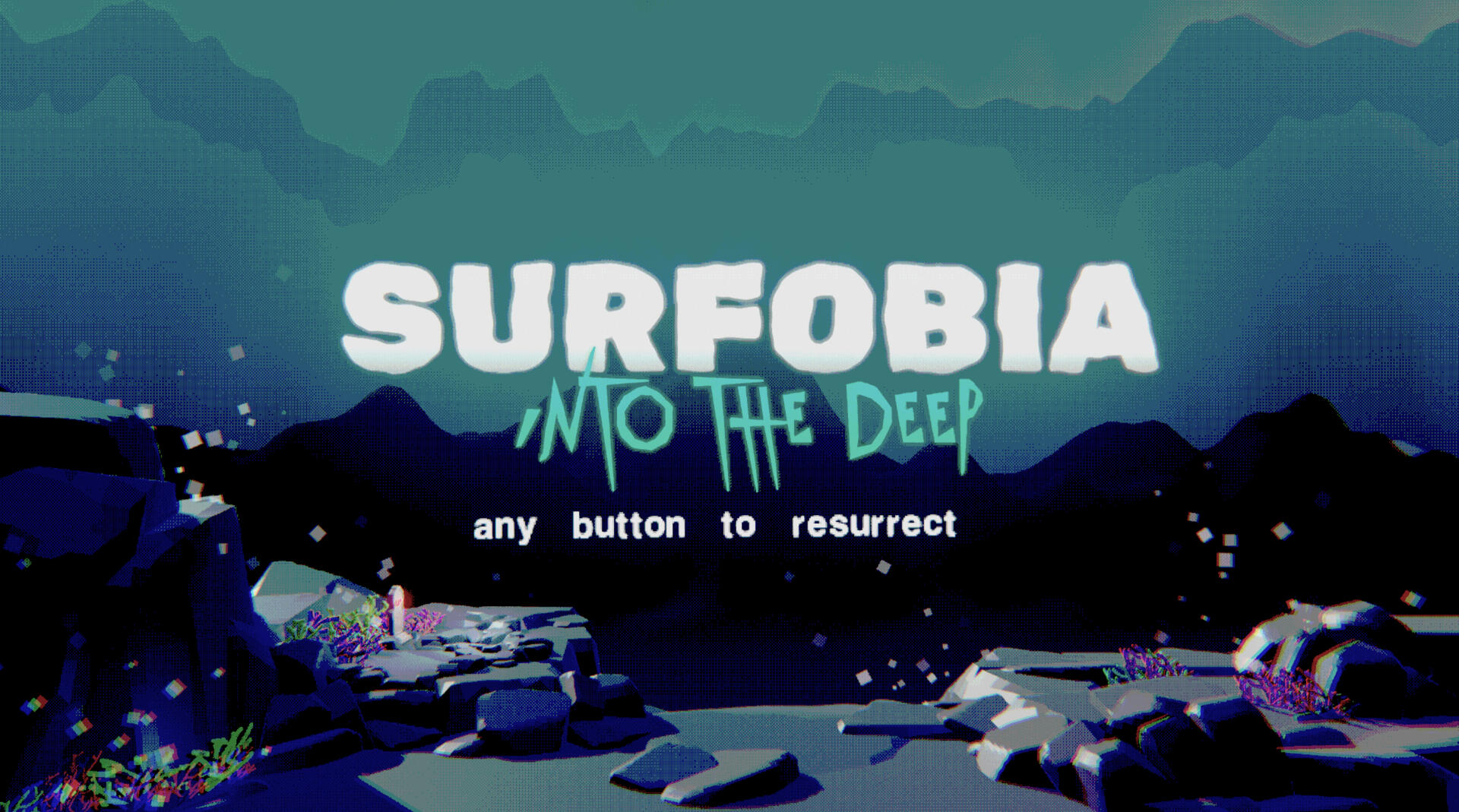
Surfobia Into The Deep Text
Untangled
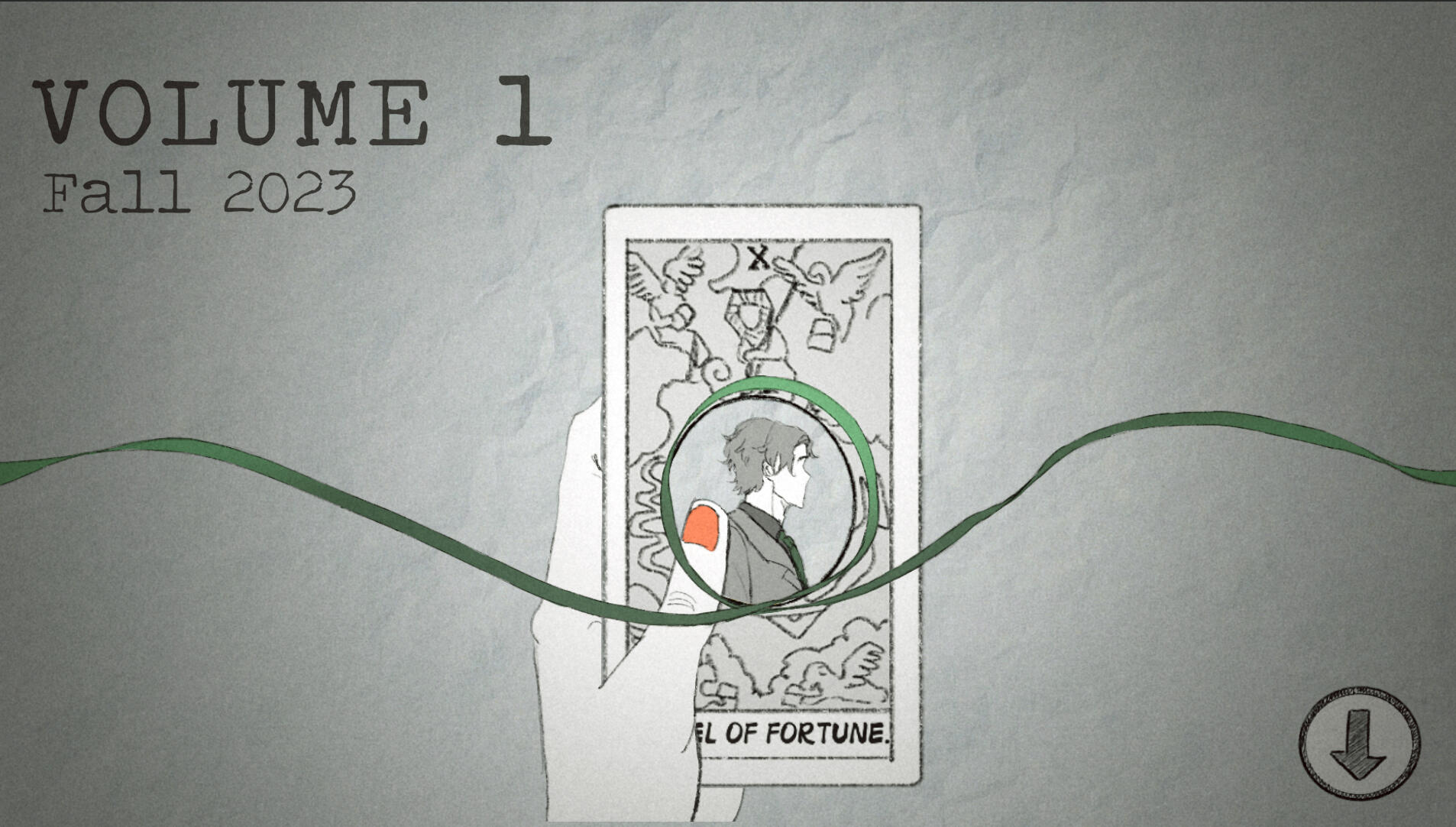
Untangled Text
Terminal Station
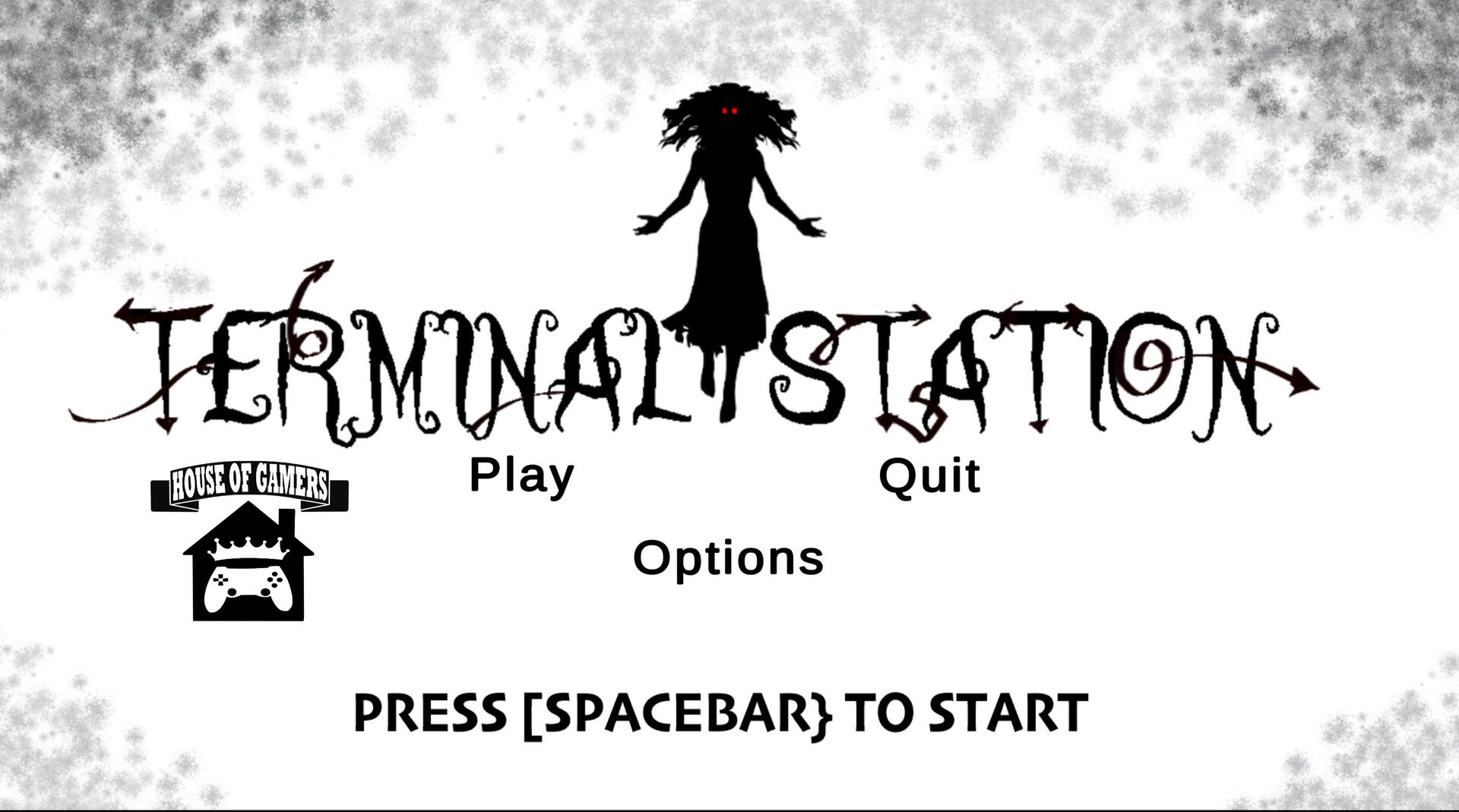
Terminal Station Text
Debt In The City
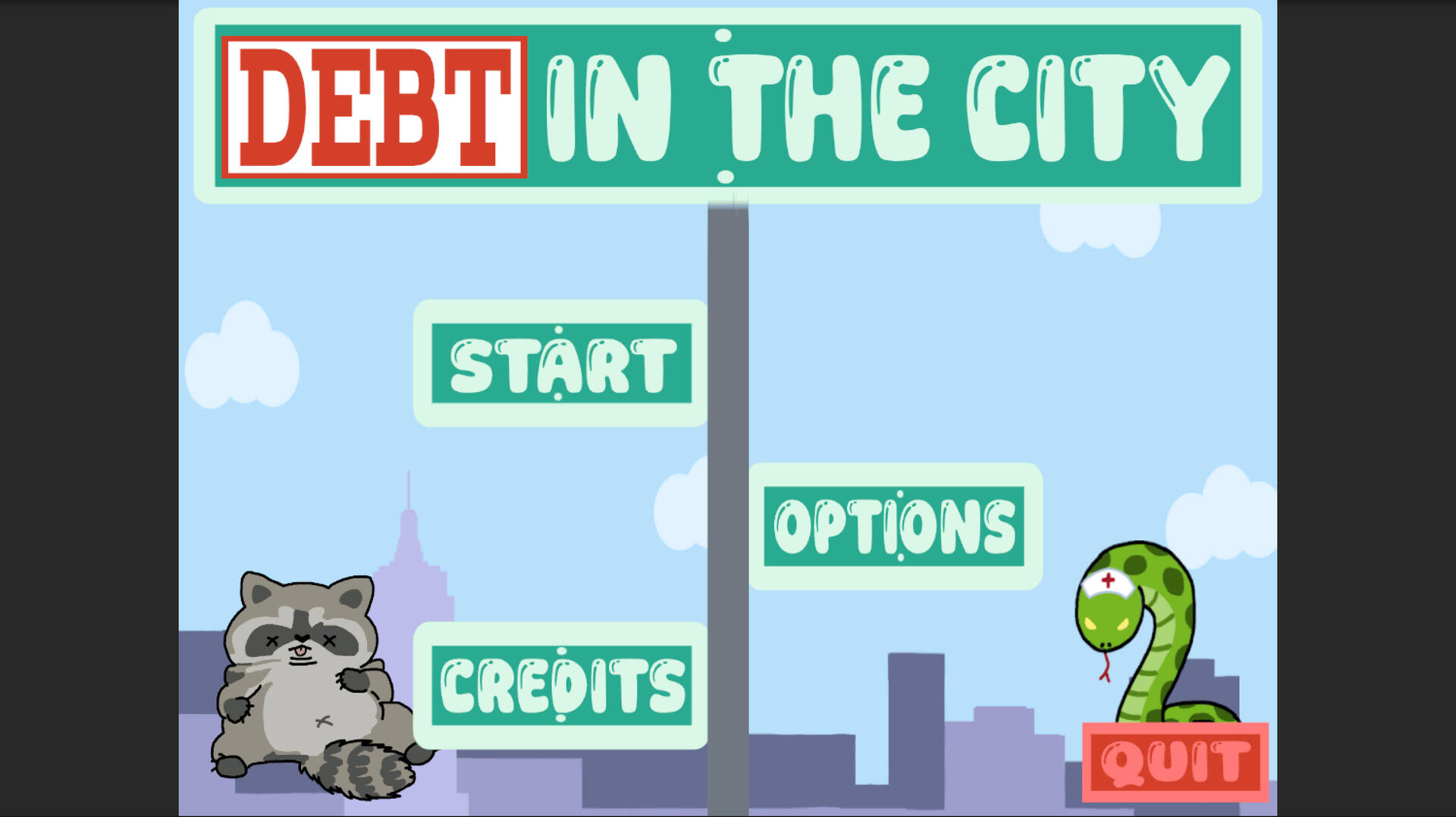
Debt in the city text
Analog Games
Word Salad
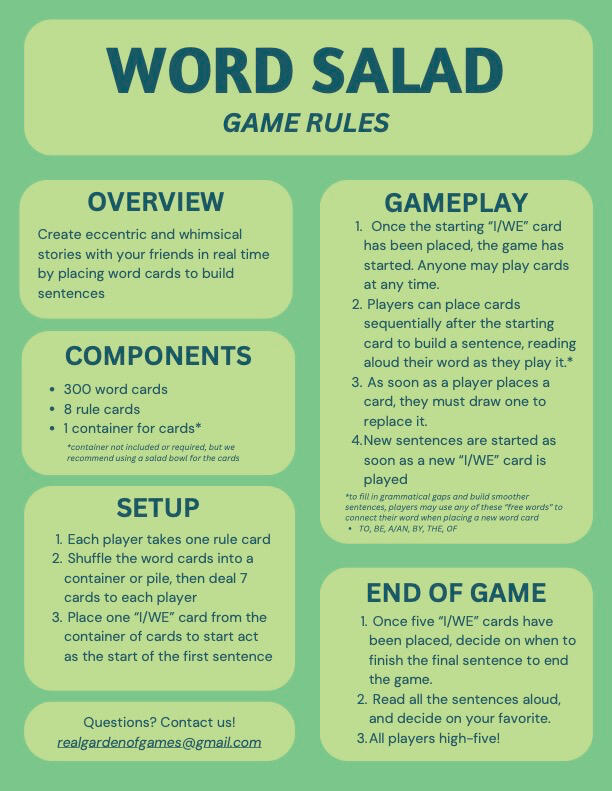
Word Salad Text
Trash Rummage: Nighttime Nibbles
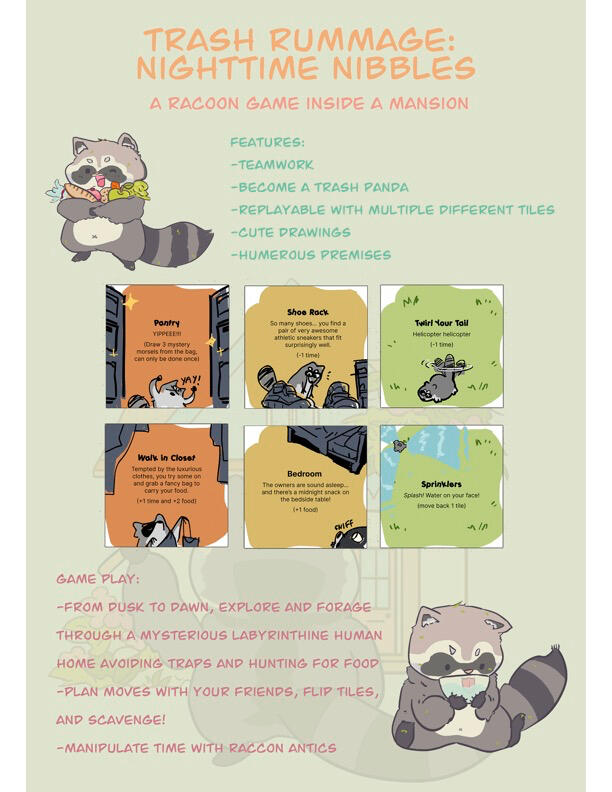
Raccoon Text
Smash or Pass
Smash or Pass Text
in Development
Hexoclast:
Constructing A Magical Haven
Hexoclast is a 4 person, competitive, fantasy themed board game in which you are trying to gain the most Influence among your fellow mages. Hexoclast is a mechanically intensive game intended to last approximately 2 hours. Gameplay includes Land Exploration, Resource Gathering, Building Construction, and Magic Usage.
My largest contribution to Hexoclast is the magic system and rulebook. For the magic system we wanted a system that felt like we were unearthing a power that was buried in the land and as the pioneers of it, learning how to use it. To accomplish this we did two things. First, we unlocked parts of the spells, or sigils, through discovering new tiles of the board. Secondly, sigils would have to be combined in specific ways in order to cast a spell. Initial play tests showed that sigils were hard to come by but the few spells that were cast were very powerful but most importantly fun. To rectify this we added a sigil drop to not only exploring the game board but landing on virtually any tile and being able to buy them from a specific building once constructed .Two major issues that arose were integrating the magic system into the rest of the main mechanics of the game, specifically influence which is the currency for winning the game and make casting a spell less confusing for players. To fix this we made each sigil have a certain value of influence you would gain or lose based on how strong play testing a sigil would make them appear to be. As for the confusion of the players we wanted to retain the creative liberty that different sigil combinations would provide players so we added a list of suggestions in the reference book to get players in the mindset of what was possible for the magic system.As for the rulebook of the game we initially started with a typical document style paper however very quickly the format made people approach it like a paper rather than reference material. The language of the document also read like a design document instead of actual rules. In the second version we swapped over to landscape presentation style, added a lot of photographs and reference images, and, broke it down into two documents; one being a reference guide with in depth explanations and the other being a quick start guide so players could jump right into the game.Checkout the reference book here and the quick start guide here.
GamePlay Video:
Cosmos Composer
Cosmos Composer is a continuously evolving game.